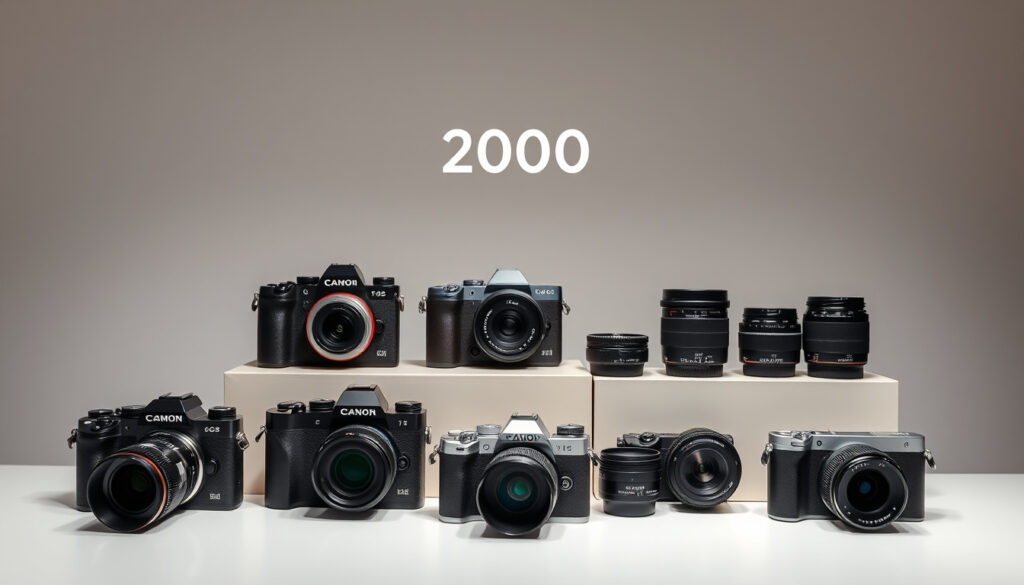
Best Budget Mirrorless Cameras – 2024 Top Picks Under $1000
The mirrorless camera market has matured significantly, making feature-rich photography gear accessible to hobbyists and enthusiasts on tighter budgets. Whether you’re upgrading from a smartphone, leaving a DSLR behind, or simply seeking high-quality imagery without a premium price tag, the current lineup of cameras under $1,000 offers compelling options across several categories.
Manufacturers including Sony, Canon, Fujifilm, and Nikon have all developed capable APS-C and Micro Four Thirds systems that deliver strong autofocus performance, 4K video capability, and respectable low-light handling at price points that would have seemed unrealistic just a few years ago. Understanding which features matter most for your intended use can help you navigate the available options more effectively.
What Are the Best Budget Mirrorless Cameras in 2024?
Several models stand out for their overall value proposition, balancing sensor quality, autofocus sophistication, and build integrity against their asking price. The Canon EOS R10 earns recognition as the best overall pick, combining a capable APS-C sensor with fast dual-pixel autofocus and rapid burst shooting that satisfies both still photographers and casual video shooters.
The Canon EOS R10 delivers the most well-rounded package for under $1,000, featuring quick autofocus acquisition, 15fps mechanical burst rates, and excellent color science straight out of camera. The main trade-off involves the growing RF mount lens ecosystem, which remains less mature than established alternatives.
~$750-900
Best Overall
~$600-700
Best for Vlogging
~$700-900
Best Lens Selection
~$600-800
Best Travel Camera
For content creators prioritizing vlogging and self-monitoring, the Sony ZV-E10 provides a lightweight, portable solution with a vari-angle touchscreen that simplifies framing shots without external assistance. While it lacks a viewfinder, the face and eye detection autofocus perform reliably for single-operator work.
- APS-C sensors generally outperform Micro Four Thirds for low-light photography and shallow depth-of-field effects
- In-body image stabilization (IBIS) adds significant value for handheld shooting in challenging conditions
- Lens ecosystem breadth matters more over time than initial body pricing
- Used camera markets can unlock full-frame capabilities within the $1,000 budget
- Battery life varies substantially between models, with Sony a6600 offering approximately 720 shots per charge
- 4K video capability has become standard across all major budget options
| Model | Sensor | Price Range | Key Strength |
|---|---|---|---|
| Canon EOS R10 | APS-C | $750-900 | Balanced performance |
| Sony ZV-E10 | APS-C | $600-700 | Video-first design |
| Sony α6400 | APS-C | $700-900 | E-mount ecosystem |
| Nikon Z6 (used) | Full-frame | ~$800 | Full-frame value |
| Fujifilm X-T3 | APS-C | $700-1,000 | Tactile controls |
| Olympus E-M10 IV | Micro Four Thirds | $600-800 | Portability & IBIS |
What Should You Look for in a Budget Mirrorless Camera?
Selecting the right camera requires understanding how different specifications translate to real-world shooting experiences. Budget models necessarily involve compromises, but knowing which features genuinely impact your photography helps prioritize where to accept trade-offs.
Sensor Size and Image Quality
APS-C sensors dominate the sub-$1,000 category, offering a meaningful step up from smartphone sensors while remaining affordable to manufacture. The larger photosites capture more light, improving performance in dim environments and enabling shallower depth of field for subject isolation. Full-frame options exist primarily in the used market, with the Sony A7 series appearing regularly under $1,000 as trade-in inventory cycles through retail channels.
Autofocus Capability
Modern contrast-detection and phase-detection hybrid systems have transformed budget camera performance. The Canon R10 and Sony α6400 both feature sophisticated eye-tracking that maintains focus on subjects even as they move through the frame. This technology, once exclusive to flagship models, now appears consistently across affordable options, making action and portrait photography more accessible.
Real-time eye and animal detection functions vary by manufacturer and firmware version. Canon implements this feature across the R10 and R50, while Sony reserves advanced tracking modes for newer models in the α6000 series.
Video Recording Capabilities
4K recording has become standard across all major manufacturers in this price range, though quality varies based on pixel binning and readout speeds. The Panasonic G85 distinguishes itself with 4K capability and Dual Image Stabilization, making it particularly suitable for handheld video work. Flip-out screens like those on the Sony ZV-E10 and Canon R50 V simplify self-monitoring during solo shoots.
Build Quality and Weather Sealing
Entry-level models typically skip weather sealing to reduce costs, though mid-range options like the Fujifilm X-T3 offer some environmental protection. Magnesium alloy construction appears less frequently at this price point, with polycarbonate bodies dominating the budget segment. Understanding your shooting environment helps determine whether this trade-off matters for your use case.
Sony vs Canon: Best Budget Mirrorless Options?
The Sony versus Canon debate occupies significant space in budget camera discussions, though other manufacturers offer compelling alternatives depending on specific priorities.
Sony E-Mount Advantages
Sony’s E-mount system benefits from the longest mirrorless market presence, resulting in an extensive lens ecosystem with numerous native and third-party options. The Sony α6600 represents the upper limit of the APS-C lineup, offering in-body image stabilization and excellent autofocus performance. Budget-conscious photographers can pair the α6600 with the Sony 16mm f/2.8 prime lens or the PZ 16-50 kit lens while remaining comfortably under the $1,000 threshold when purchasing used equipment.
Canon RF Mount Considerations
Canon’s RF mount launched more recently, meaning the lens lineup has not yet reached the maturity of Sony’s offerings. However, the Canon R10 provides compelling reasons to accept this limitation. Color handling remains one of Canon’s historical strengths, and the R10 inherits this characteristic along with intuitive menu organization and solid ergonomic design. The mount’s future looks promising as Canon continues expanding RF coverage, making this a reasonable long-term investment despite current lens constraints.
Other Worthy Contenders
Fujifilm’s X-mount system offers an established lineup with distinctive film simulation modes that appeal to photographers wanting ready-to-share aesthetics without post-processing. The Fujifilm X-T3 presents a retro design with tactile dials and strong image quality, though its discontinued status means new units become increasingly scarce. Nikon enters the discussion primarily through used full-frame options like the Z6, delivering genuine low-light capability within budget constraints.
Lens investment often exceeds camera body cost over time. Before selecting a system, research available lenses within your budget to ensure satisfying options exist for your preferred photography genres.
Best Budget Mirrorless Cameras for Video and Beginners
Different user profiles benefit from distinct feature prioritization, and understanding your primary use case helps narrow the selection significantly.
Cameras for Content Creators
The Sony ZV-E10 emerged specifically for vlogging applications, featuring a lightweight body with a vari-angle screen that facilitates self-framing. Built-in directional microphones capture cleaner audio than most smartphone alternatives, and the flip-screen design eliminates the guesswork involved in framing talking-head content. The lack of viewfinder represents a deliberate trade-off, prioritizing video functionality over traditional photography ergonomics.
The Panasonic G85 serves creators requiring stabilization for walking sequences or run-and-gun documentary work. Dual Image Stabilization combines in-body and optical correction, producing smoother footage without gimbal equipment. This combination proves particularly valuable for travel vloggers and social media content producers working without dedicated camera operators.
Cameras for Photography Beginners
The Canon EOS R50 simplifies the learning curve through intelligent automation modes that handle technical decisions while allowing gradual manual control as skills develop. “Intelligent Auto” mode reduces the intimidation factor for photographers transitioning from smartphones, automatically adjusting exposure, focus, and white balance. This approach lets newcomers concentrate on composition and timing rather than technical parameters.
The Olympus OM-D E-M10 Mark IV presents another excellent option for beginners, combining a lightweight Micro Four Thirds sensor with 5-axis in-body stabilization. The extensive lens selection available through the MFT mount provides growth potential as skills improve, and the compact body encourages carrying the camera regularly rather than leaving it at home.
Cameras for Travel Photography
The Fujifilm X-M5 delivers strong value for travelers seeking quality without bulk, with kit lens combinations available comfortably under budget constraints. Portability becomes especially important during extended sightseeing or hiking expeditions where every gram matters. The Olympus E-M10 Mark IV similarly excels in travel scenarios, with its stabilized sensor compensating for lower light in museums, churches, and other indoor environments.
The Evolution of Budget Mirrorless Cameras
Understanding how this market segment developed provides context for current offerings and helps set realistic expectations about feature availability at various price points.
- 2019 – Sony A6100 introduced as an accessible entry point to the E-mount system, establishing the baseline feature set for modern budget mirrorless cameras
- 2020 – Canon M50 Mark II launched, demonstrating strong market demand for affordable mirrorless options with video capability
- 2021 – Sony ZV-E10 released, specifically targeting content creators with vlogging-optimized features and competitive pricing
- 2022 – Canon EOS R10 and R50 arrived using the newer RF mount, bringing modern autofocus to the budget category
- 2023 – Fujifilm X-M5 expanded the X-mount ecosystem downward, followed by Olympus E-M10 Mark IV updates
- 2024 – Continued price reductions on previous-generation models create additional value opportunities within the sub-$1,000 category
This progression shows increasingly sophisticated features filtering down to budget models, with eye-tracking autofocus and 4K video becoming standard expectations rather than premium additions.
What’s Verified and What Remains Uncertain
Transparency about information reliability helps readers make informed decisions based on available evidence.
| Established Information | Uncertain or Fluctuating |
|---|---|
| Canon R10 offers best overall value | Current street pricing varies by retailer |
| Sony E-mount has largest lens selection | Used camera condition assessment requires verification |
| Full-frame used options exist under $1,000 | Availability of discontinued models changes daily |
| APS-C outperforms MFT in low light | Specific bundle pricing seasonal promotions |
Why Budget Mirrorless Makes Sense Now
Multiple converging factors make this an especially favorable time for budget mirrorless investment. Smartphone photography has pushed consumer expectations regarding image quality, color rendition, and sharing capability upward, creating demand for dedicated cameras offering meaningful capability improvements.
Simultaneously, the mirrorless transition has generated substantial second-hand inventory as professionals upgrade to newer systems. This market dynamics creates opportunities for budget buyers to access capable equipment that would have commanded premium prices during the initial mirrorless adoption phase. The best second-hand marketplaces regularly feature current-generation technology at significant discounts.
Manufacturers have also recognized that customer loyalty often begins with first camera purchases, investing in accessible entry points that could eventually grow into higher-end system adoption. This strategy manifests in software features, menu design, and accessories compatibility that make budget models surprisingly capable for their price positioning.
What the Experts Say
Professional reviews consistently highlight the Canon EOS R10’s value proposition, with Rtings noting its excellent autofocus system and quick burst shooting as standout features for this price category. The well-rounded APS-C sensor satisfies various photography styles without forcing compromises that higher-end models avoid.
The Sony E-mount ecosystem has matured into one of the most versatile options for photographers, with numerous native and third-party lenses providing creative flexibility at multiple budget levels.
Independent testing organizations continue to emphasize that most budget mirrorless cameras now exceed the technical requirements of typical photography scenarios, making user experience factors like menu organization, button layout, and wireless connectivity increasingly important differentiators.
Used Sony A7 models can be found for as low as $550 on eBay, offering genuine full-frame capability within budget constraints for photographers prioritizing low-light stills work.
Making Your Final Decision
The best budget mirrorless camera ultimately depends on your specific priorities, existing equipment compatibility, and anticipated growth trajectory. For most buyers, the Canon EOS R10 delivers the strongest value through its combination of autofocus performance, burst capability, and RF mount expansion potential. If video creation drives your purchase, the Sony ZV-E10’s optimized feature set better serves content production workflows.
Those anticipating significant lens investment should weigh the Sony E-mount ecosystem advantages heavily, as this factor becomes increasingly important as your photography interests develop. For travelers and those prioritizing portability above all else, the Micro Four Thirds options from Olympus provide meaningful size and weight reductions with acceptable image quality trade-offs.
Exploring the best hybrid SUVs in Canada might seem unrelated, but the principle of maximizing value within budget constraints applies broadly to purchasing decisions requiring careful feature prioritization.
Frequently Asked Questions
What is the best mirrorless camera under $500?
The Olympus OM-D E-M10 Mark IV and Canon EOS R50 appear regularly below $600, representing the strongest value options in this range. Both offer modern autofocus and 4K video despite their accessible pricing.
Is the Sony A6400 worth buying in 2024?
The α6400 remains competitive due to its excellent autofocus, robust build quality, and access to Sony’s extensive E-mount lens ecosystem. As a used purchase, it offers particularly strong value for photographers prioritizing stills performance.
Can I find full-frame mirrorless cameras under $1,000?
Yes, used Sony A7 series cameras regularly appear between $550-800, offering full-frame sensors at budget-friendly prices. The trade-off involves older technology and potential reliability concerns with second-hand equipment.
Which budget mirrorless camera has the best autofocus?
The Canon EOS R10 and Sony α6600 both feature sophisticated eye and subject tracking that performs reliably in challenging conditions. Real-time autofocus capabilities have improved dramatically across all manufacturers in recent years.
Are kit lenses worth using, or should I upgrade immediately?
Kit lenses serve well for learning and casual photography. Most provide acceptable sharpness for web sharing and social media. Upgrading becomes worthwhile once specific photographic needs reveal themselves through experience.
What’s the difference between APS-C and Micro Four Thirds sensors?
APS-C sensors offer better low-light performance and shallower depth of field, while Micro Four Thirds cameras generally provide smaller bodies and lighter lenses with competitive stabilization technology.
Should I buy new or used for the best budget value?
Used cameras deliver significant value when purchased from reputable sources with return policies. Verifying shutter count, checking for physical damage, and confirming autofocus accuracy helps mitigate risks associated with second-hand purchases.
More related posts
 Arijit Singh Biography: Spotify Record, Marriages, Turban, FAQs
 Nick Kroll: Biography, Family, and Big Mouth
 James Patterson: Books, Net Worth & Co-Author Process
 Prayer Times in Montreal Today: Fajr, Dhuhr, Asr, Maghrib, Isha
 Gabriel Macht: Why He Retired, Wife, Net Worth, and More
 Alabama Barker: Age, Health Rumors, and Feud with Bhad Bhabie
 110 F to C: Convert 110°F to Celsius Plus Fever Dangers