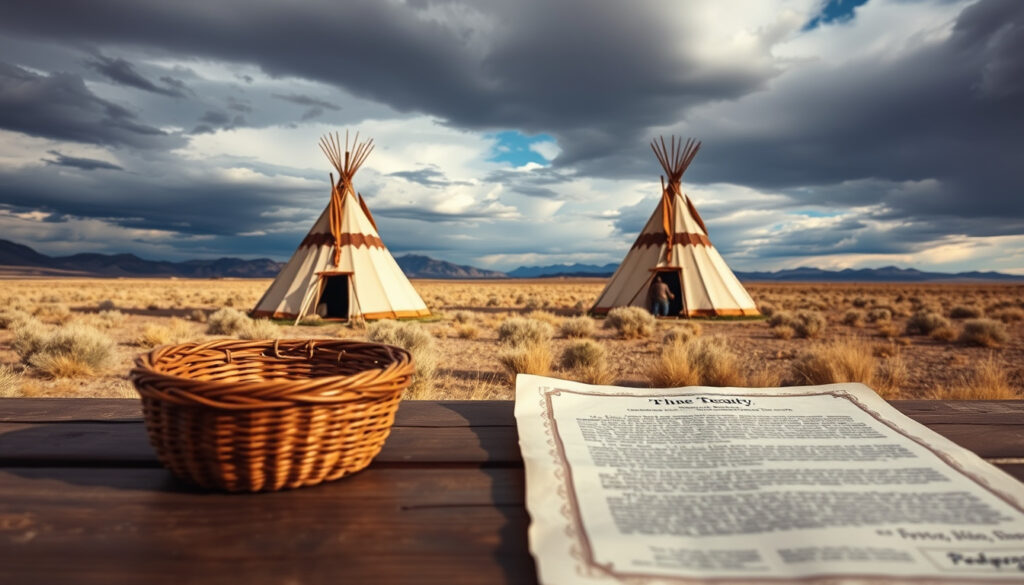
Native American: Who Is Considered and Key Questions
Few questions about identity stir up as much confusion as “Who is Native American?” The answer involves federal law, tribal sovereignty, and personal ancestry—and it’s not as simple as a DNA test. With over 5 million people identifying as Native American alone or in combination, according to the Congressional Research Service (CRS), the path to recognition is a mix of legal status and cultural belonging.
Estimated Native American population in U.S.: 5.2 million (2020 Census) ·
Federally recognized tribes: 574 ·
Percentage living outside reservations: 80% ·
States with highest proportion: Alaska, Oklahoma, New Mexico
Quick snapshot
- Native Americans are U.S. citizens since 1924 (Bureau of Indian Affairs)
- 574 federally recognized tribes exist (CRS)
- DNA evidence indicates Siberian ancestry (Citizen Potawatomi Nation)
- Blood quantum thresholds vary by tribe (CRS)
- 1924 – Indian Citizenship Act (Bureau of Indian Affairs)
- Ongoing debates over blood quantum vs. lineal descent (CRS)
- Growth of DNA ancestry testing and its limitations (Citizen Potawatomi Nation)
- Movement toward tribal-specific enrollment criteria (BIA)
Four key facts provide a baseline for understanding Native American identity today:
| Total population (2020) | 5.2 million |
|---|---|
| Federally recognized tribes | 574 |
| Year of U.S. citizenship | 1924 |
| States with highest percentage | Alaska, Oklahoma, New Mexico |
Who is considered Native American in the US?
The answer depends on whom you ask. Legally, tribal enrollment is the gold standard. The Bureau of Indian Affairs (BIA) states that a federally recognized tribe is an American Indian or Alaska Native tribal entity with a government-to-government relationship with the United States, making it eligible for BIA funding and services. For membership, individuals must provide genealogical documentation proving lineal descent from an ancestor who was a member of that specific tribe, according to the U.S. Department of the Interior (DOI).
Self-identification alone is not enough. The BIA makes clear that “blood tests and DNA tests will not help document descent from a specific federally recognized tribe or tribal community.” The CRS adds that every tribe sets its own criteria—customs, tradition, language, or amount of tribal ancestry.
What is the nationality of a Native American?
- Native Americans are U.S. citizens since the Indian Citizenship Act of 1924 (Bureau of Indian Affairs)
- They are also citizens of their respective tribal nations (CRS)
- This dual citizenship status is recognized by the federal government
- Some tribes require formal enrollment for tribal citizenship
A person can be a U.S. citizen and a tribal citizen simultaneously, but without tribal enrollment, they cannot access many federal programs intended for Native Americans. The BIA notes that tribal governments are the entities a person works with to apply for enrollment.
The implication: Nationality is a layered concept. For Native Americans, it means belonging to both a sovereign tribal nation and the United States—a unique dual status that distinguishes them from other U.S. citizens.
Are Indians from India the same as Native Americans?
No—they are distinct ethnic groups. Native Americans are indigenous to the Americas, while Indians from India are South Asian. The confusion stems from Christopher Columbus’s mistaken belief that he had reached the Indies, as detailed in the timeline below. Genetic studies show completely different ancestral origins: Native Americans are linked to ancient Siberian populations, whereas Indians from India have roots in the Indian subcontinent (Citizen Potawatomi Nation).
What is the difference between Asian Indian and Native American?
A quick comparison highlights the key differences:
| Aspect | Native American | Asian Indian |
|---|---|---|
| Geographic origin | Americas (indigenous) | Indian subcontinent |
| Genetic ancestry | Ancient Siberian (Beringia migration) | Ancient South Asian |
| Historical name | Called “Indians” by Columbus | Derived from the Indus River |
| Legal status in US | Federally recognized tribes, dual citizenship | Immigrant or US-born citizen |
| Cultural affiliation | Tribal sovereignty, distinct languages | Regional languages, Hindu/Muslim/Sikh traditions |
The trade-off: Using the same word “Indian” for two vastly different groups causes persistent confusion. Many Native Americans prefer terms like “American Indian” or “Native American,” and many tribes ask to be referred to by their specific tribal name.
What is the nationality of a Native American?
As noted, Native Americans are citizens of the United States since 1924, but they are also citizens of their tribal nations. The BIA confirms that the Indian Citizenship Act granted full U.S. citizenship to all Native Americans born in the United States. Tribal citizenship, however, is determined by each tribe’s enrollment criteria. The CRS notes that some tribes require a certain blood quantum (e.g., 1/4 or 1/8), while others use lineal descent.
Are Native Americans US citizens?
- Yes, since 1924 (Bureau of Indian Affairs)
- They can vote in federal, state, and local elections
- They also hold tribal citizenship, which may include rights to tribal land, services, and governance
Some tribes are tightening enrollment criteria based on blood quantum, which could reduce the number of people eligible for tribal citizenship in the future. The CRS reports that the BIA collects enrollment data but does not verify it, leaving room for inconsistency.
Why this matters: The dual-citizenship model means that the rights and benefits of being Native American are not uniform—they depend on both federal law and individual tribal rules.
What is the closest DNA to Native Americans?
Genetic research has traced Native American ancestry to ancient populations in Siberia who migrated across the Bering land bridge around 15,000 years ago. The closest living populations today are the Ket and Nganasan peoples of Siberia. The Citizen Potawatomi Nation reports that current DNA tests cannot distinguish whether ancestors were indigenous to North or South America, and they do not establish tribal membership.
What ethnicity is closest to Native American?
- Genetic studies link Native Americans to Siberian populations (Citizen Potawatomi Nation)
- Common haplogroups: Q and C
- DNA evidence supports migration across Beringia ~15,000 years ago
- Admixture with later populations (e.g., European, African) has occurred
Even if a DNA test shows Native American ancestry, the BIA warns that it does not “help document descent from a specific federally recognized tribe” (BIA guide). For enrollment, you need genealogical records, not a cheek swab.
The pattern: DNA can reveal broad ancestral origins, but it cannot replace the documented lineage that tribes require for citizenship.
What color eyes do Cherokee have?
This question often stems from stereotypes about physical appearance. In reality, Cherokee people—like all populations—exhibit a wide range of eye colors, including brown, blue, green, and hazel. The Citizen Potawatomi Nation quotes Cherokee Nation Secretary of State Chuck Hoskin Jr. saying that physical traits are not a reliable indicator of tribal identity. The BIA’s guidance on enrollment further reinforces that appearance is irrelevant to tribal membership.
What does a Cherokee woman look like?
- No single physical appearance defines Cherokee people
- Historical descriptions are often unreliable and based on stereotypes
- Modern Cherokee include individuals of diverse skin tones, hair textures, and facial features
- Tribal enrollment is based on lineage, not looks
The implication: Stereotypes about eye color or other physical traits are not only inaccurate but also irrelevant to how tribes define membership. The Cherokee Nation focuses on documented ancestry, not appearance.
Why are Native Americans called Indians?
The term dates back to Christopher Columbus, who in 1492 mistakenly believed he had reached the Indies (Asia) and called the indigenous people “Indios.” The name stuck, even after the error was realized. Many Native Americans today prefer “American Indian” or “Native American,” and many tribes prefer their specific tribal names. According to the BIA, the term “American Indian” is used in federal law, but “Native American” is also widely accepted.
When did Christopher Columbus use the term ‘Indians’?
- Columbus first used the term in 1492 after landing in the Bahamas
- He called the Taíno people “Indios” because he thought he was in the East Indies
- The term was perpetuated by European explorers and later adopted in U.S. law
- Efforts to change terminology have been ongoing, but both terms remain in use
The name “Indian” for Native Americans is a historical accident, not a reflection of any shared origin with South Asians. Understanding this helps clarify the separate identities of the two groups.
The pattern: Naming is a matter of history, not biology. The preferred term varies by individual and tribe, so it’s always best to ask.
Timeline: Key events in Native American identity
Four pivotal moments shaped the legal and cultural landscape:
- 1924 – Indian Citizenship Act grants U.S. citizenship to all Native Americans (Bureau of Indian Affairs)
The timeline signal: Progress from removal to self-determination shows a long arc of legal recognition, but the debate over who qualifies as Native American remains active.
Clarity: What’s confirmed and what’s unclear
Confirmed facts
- Native Americans are U.S. citizens
- There are 574 federally recognized tribes
- DNA indicates Siberian ancestry
- Blood quantum and lineage criteria vary by tribe
- DNA tests alone do not establish tribal enrollment
What’s unclear
- Exact number of unrecognized tribes
- Precise blood quantum thresholds across all tribes
- Impact of admixture on physical traits
- How many people have Native American ancestry but are not enrolled
- The number of tribes that accept DNA evidence for enrollment
- The impact of federal recognition on state-recognized tribes
The balance: With low research confidence on some aspects, it’s important to note that many details remain uncertain, especially around unrecognized tribes and the impact of admixture.
Quotes from experts and leaders
“DNA testing is useless to determine tribal citizenship.”
— Chuck Hoskin Jr., Cherokee Nation Secretary of State, as quoted by Citizen Potawatomi Nation
“There are some genetic markers unique to Native American ancestry, but they do not legally establish Native ancestry or admission to tribal enrollment.”
— Charles Clark, Tribal Rolls Director, as quoted by Citizen Potawatomi Nation
These perspectives make clear that the legal definition of Native American is rooted in documented lineage, not genetics or appearance.
Summary
Native American identity is a legal and cultural construct, defined by tribal sovereignty and federal recognition rather than by DNA or physical traits. For the estimated 5 million people who identify as Native American, the path to formal recognition requires genealogical documentation that ties them to a specific federally recognized tribe. The takeaway: tribal enrollment is the key, not a cheek swab or a stereotype. For anyone exploring their Native American ancestry, the first step is to contact the tribal government of the ancestor’s tribe, as the BIA advises. The choice is clear: pursue documented lineage, or risk being misled by the limitations of modern DNA testing.
Related reading: Native American federal recognition, tribal enrollment, and DNA ancestry comparison · Native American federal recognition, tribal enrollment, and DNA ancestry comparison
bia.gov, users.ssc.wisc.edu, triballawauthority.com, usa.gov, bia.gov, bia.gov, dna.labcorp.com, en.wikipedia.org
Frequently asked questions
What blood quantum is required to be considered Native American?
There is no universal blood quantum requirement. Each tribe sets its own criteria, which can range from 1/4 to 1/8 or even lineal descent. The CRS notes that criteria vary widely.
Can a person be Native American without being enrolled in a tribe?
Yes, they can identify as Native American culturally, but they will not have legal tribal citizenship or access to federal benefits. The Bureau of Indian Affairs states that enrollment is required for tribal citizenship.
What is the difference between American Indian and Native American?
Both terms are used, but “American Indian” is the legal term in federal law, while “Native American” is a broader, more inclusive term. Many people prefer their specific tribal name.
Are Native Americans US citizens?
Yes, since the Indian Citizenship Act of 1924. They also hold citizenship in their tribal nations. Bureau of Indian Affairs confirms this dual status.
How many Native American languages are spoken today?
Approximately 150 Native American languages are still spoken in the United States, though many are endangered. The Bureau of Indian Affairs supports language preservation efforts.
What is the largest Native American tribe in the US?
The Cherokee Nation is the largest, with over 450,000 enrolled citizens. The Navajo Nation is the second largest.
Do Native Americans pay federal taxes?
Yes, Native Americans pay federal income taxes, just like other U.S. citizens. However, some tribal income on reservations may be exempt from state taxes.
More related posts
 Semi Truck Definition, History, and Regional Names Explained
 How Old Is Donald Trump? Birth Date, Age and Presidential Records
 Mary Berg (Chef): Husband, Ethnicity, and Career Facts
 Loop and Thread Yarn: Complete Guide to Michael ‘ Hou e Brand
 Dustin Johnson Golfer: Suspension, LIV Pay, Wife & Career Facts
 Vladimir Guerrero Jr Wife: Who Is Nathalie Guerrero?
 Colin Mochrie: Friendship, Surgery and Career Update
 Conor McGregor: Injury, Net Worth & Next Fight Update